
Entering into European regulatory procedures can be a real challenge for companies outside the European Union (EU), as the EU has some of the strictest legislation in the world in terms of public health, animal and environmental protection. In this context, fertilisers made from animal by-products are subject to several specific controls, from their origin to their entry into European territory. Knowing and following each of these steps is not only mandatory, but key to ensure a safe and successful import. In this blog we will take a closer look at the TRACES platform.
What is TRACES NT and when is it mandatory?
TRACES NT —TRAde Control and Expert System— is the European Commission’s platform for managing certification and official controls on certain goods entering the European Union.
Its use is mandatory for fertilisers containing animal by-products when the consignment is subject to controls at a border control post. The operator responsible for the consignment must submit a prior notification and complete Part I of the Common Health Entry Document —CHED-P— in TRACES NT.
The application of this procedure depends on the composition, treatment and regulatory status of each product.
This is the link to the official European Union TRACES website: https://food.ec.europa.eu/horizontal-topics/traces_en?utm_source
Import of fertilisers with animal by-products
There are several requirements that companies who want to start any shipment to Europe must comply with in advance. These are:
- The fertiliser must comply with current European legislation.
- The production plant in the country of origin must be authorised by its health authority. Also must be registered in the TRACES database.
- Each batch must be documented by an official health certificate, signed by the competent authority of the country.
If these requirements are not met, the importation into the European Union will not be allowed.
Registration of the plant in TRACES
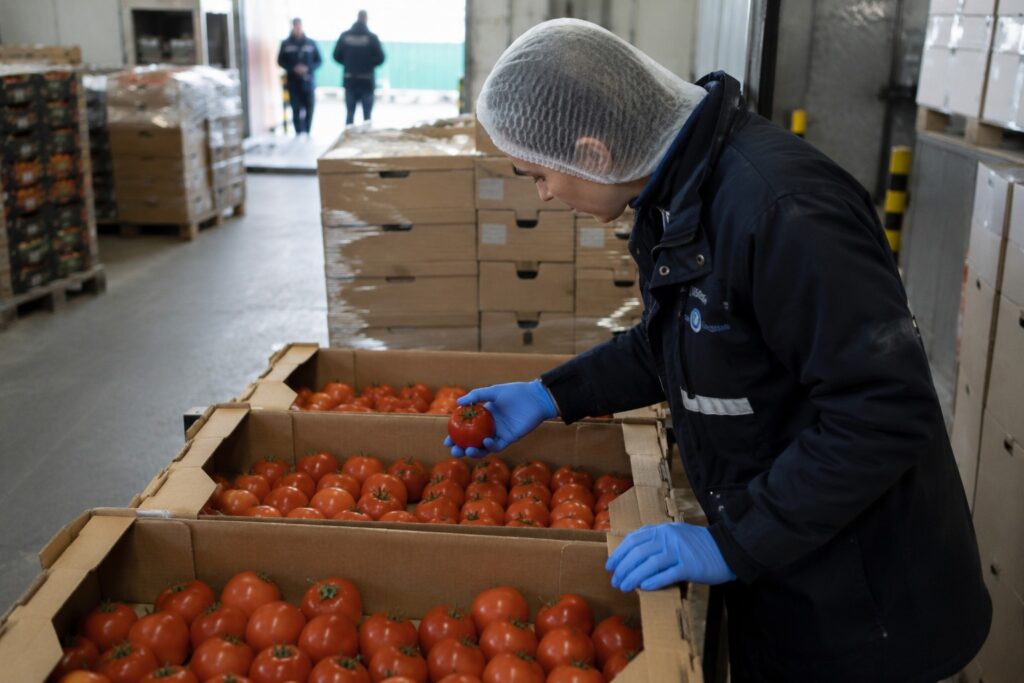
As mentioned above, fertilisers can only be imported from plants officially recognised by the European Commission. To do so, the plant must pass a sanitary inspection by the country’s authorities, and, after validation, it will be included in TRACES as an approved establishment.
This procedure may require time and coordination, so it is recommended to start the process in advance.
Required documentation
Each consignment must be accompanied by the documentation described below:
- An official health certificate from the authority of the country of origin.
- All relevant commercial and logistical documentation.
- The Common Health Entry Document (CHED), Part I. It must be completed by the European importer through the TRACES platform. This document is key for border control.
Prior notification and border controls
The importer or his representative must notify the arrival of the consignment at TRACES at least one working day prior to its entry into the EU. This notification is addressed to the border control post where the inspection will take place.
Once at the border, each shipment of the product is subject to three types of control:
- Documentary control: this consists of checking the health certificate and other documentation.
- Identity control: This control verifies that the goods being transported comply with what has been declared.
- Physical control: Direct inspection of the product. This control isn’t always performed, although it may be required in certain cases depending on the composition of the product.
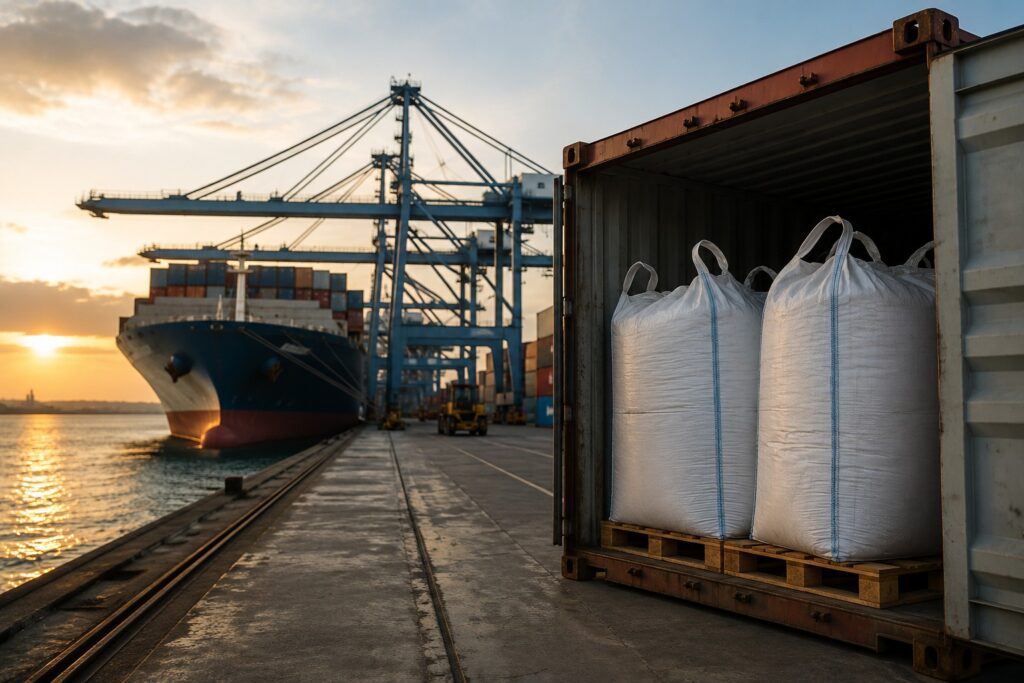
Importation can only take place through those ports/airports authorised as border checkpoints.
Responsibilities
There are a number of responsibilities that a company wishing to import products into the EU must comply with to ensure proper management of the process. Among the main responsibilities, the company must: secure plant authorisation, obtain the official health certificate, comply with EU regulatory requirements, be registered in TRACES and manage the pre-notification process.
The importation of fertilisers containing animal by-products into the EU requires close cooperation between the third country company, the health authorities and the European company. However, it does not have to be a complicated process with the right information and good planning.
At Sun Chemicals Services we put our experience at the service of companies from all over the world that wish to introduce their products into the European market. From regulatory analysis to TRACES management and document preparation. We offer comprehensive support to ensure that the entire process is carried out legally, safely and efficiently.
For more information about our services, please contact our team.
July 2026

Sun Chemicals Services Team
#TRACES #AnimalByproducts #Fertilisers #Biostimulants #EuropeanRegulation #EUImportation #SunChemicals