
Protected: CROP GROUPS REGULATION (EU) 2019/1009

There is no excerpt because this is a protected post.
Regulation (EU) 2025/40 on packaging applicable across the European Union from 12 August 2026
On 12 August 2026, the general application of Regulation (EU) 2025/40 on packaging and packaging waste, commonly known as the PPWR, will begin. From a legal perspective, the Regulation will not enter into force on that date, as it already entered into force on 11 February 2025. However, from 12 August 2026, most of its…
The 18th edition of Fruit Attraction will bring together the international fruit and vegetable sector
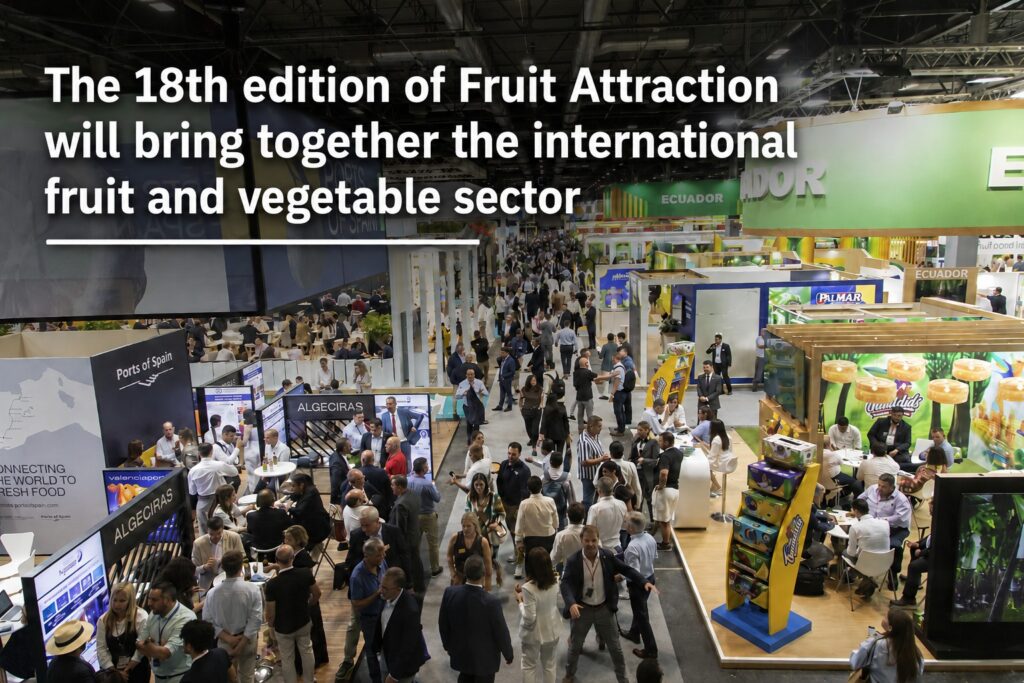
Fruit Attraction is Spain’s leading trade fair for the fruit and vegetable sector and one of the main international meeting points for all the companies and professionals involved in this industry. Organised by IFEMA MADRID and FEPEX, it has become a strategic platform for generating business opportunities, exploring new markets, establishing partnerships and sharing the…
Protected: ANALYSIS OF POLLUTANTS AND HEAVY METALS ACCORDING TO REGULATION (EU) 2019/1009
There is no excerpt because this is a protected post.
CE Marking or National Registration with Mutual Recognition for Marketing Fertilisers and Biostimulants in Europe
Fertilisers and biostimulants can be marketed in the European Union through two main regulatory routes: For this reason, the choice between these two options should be made before starting trials, preparing labels or submitting dossiers. The product composition, its functions, the raw materials used and the target countries may make one option considerably more suitable…
CMC 10: The European Commission Proposes Including Eight New Products Derived from Animal By-Products
The European Commission is moving towards a significant expansion of Component Material Category 10 (CMC 10) under Regulation (EU) 2019/1009 on EU fertilising products. The draft Delegated Regulation published in April 2026 proposes allowing eight new groups of products derived from animal by-products to be used in fertilisers, biostimulants, soil improvers and other CE-marked fertilising…
TRACES NT Platform: Importing Fertilizers Containing Animal By-Products
Entering into European regulatory procedures can be a real challenge for companies outside the European Union (EU), as the EU has some of the strictest legislation in the world in terms of public health, animal and environmental protection. In this context, fertilisers made from animal by-products are subject to several specific controls, from their origin…
Chile Moves Towards Recognising Pesticide Registrations Authorised in the EU and the United States
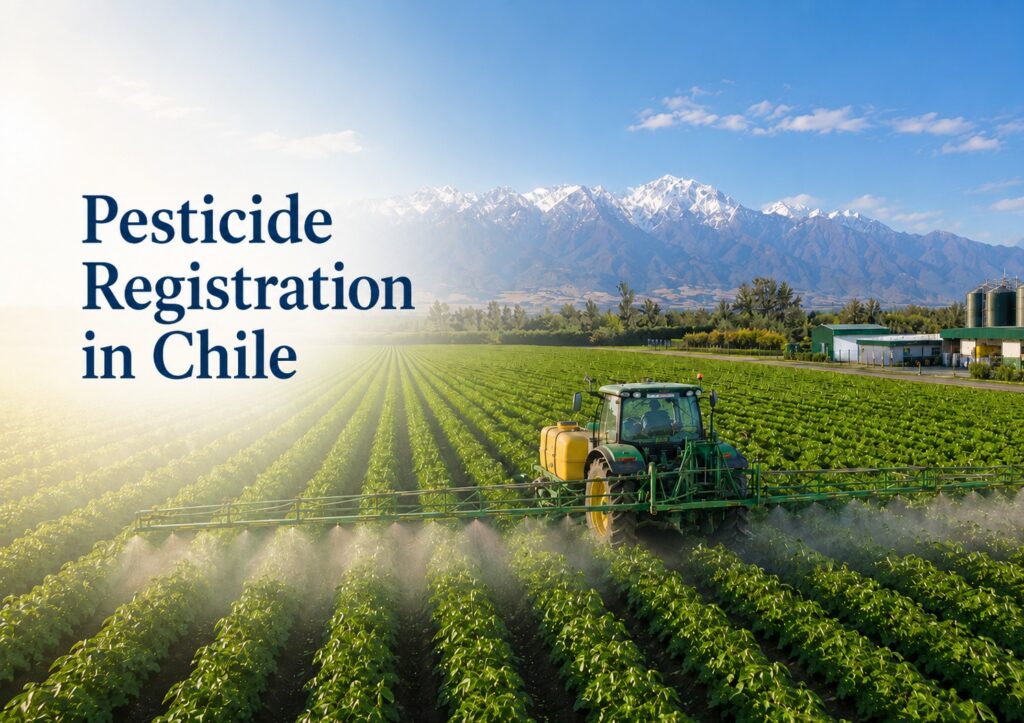
A regulatory opportunity for companies with plant protection products already authorised in reference markets Chile has established a procedure that may, under specific conditions, recognise the assessment process of technical-grade active substances previously authorised by the US EPA or by the competent authorities of the European Union. In addition, Chile’s Servicio Agrícola y Ganadero —SAG—…
Labelling of Fertilisers and Biostimulants in the European Union
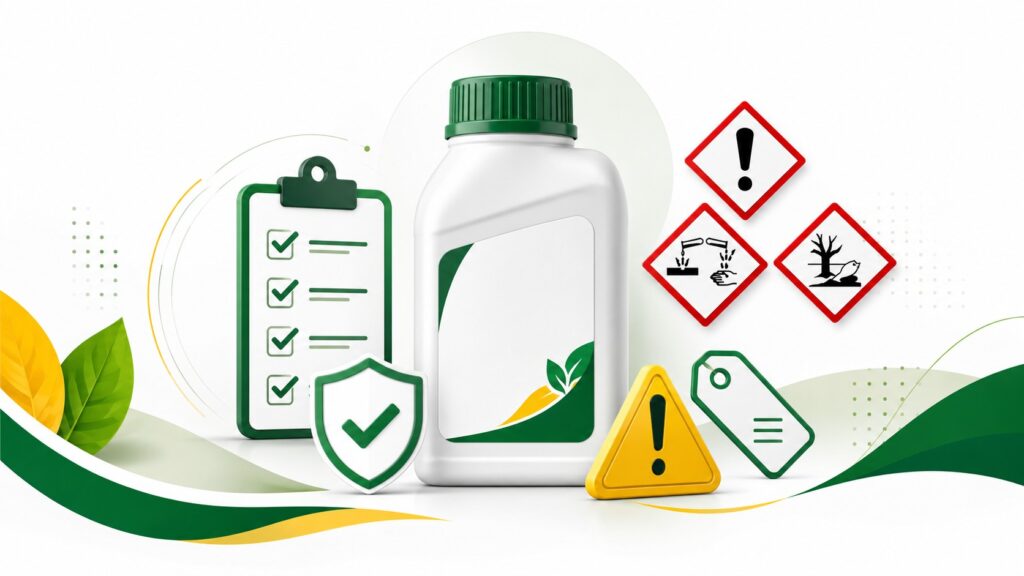
The label of a fertiliser or biostimulant is an essential part of its marketing. Incorrect information may lead to delays, requests from the competent authorities, penalties or reputational damage to the company. For this reason, before placing a product on the market, it is important to determine which legislation applies and what information must appear…
PCN Notification for hazardous mixtures: requirements and UFI code
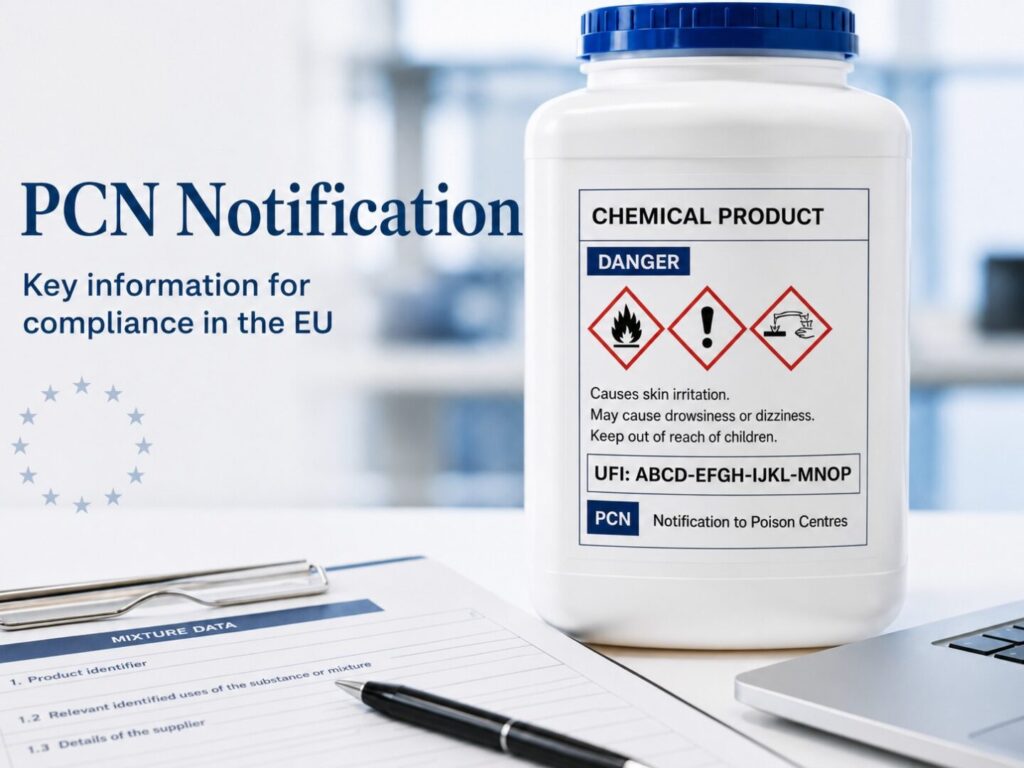
The placing on the market in the European Union of a chemical mixture classified as hazardous under Regulation (EC) No 1272/2008, due to its physical hazards or effects on human health, may require— in addition to a safety data sheet and a label compliant with the CLP Regulation—notification to the poison centres of each Member…